
If you run or lead a Denver-area nonprofit, you already know how much trust matters. Donors give because they believe in your mission, and they expect you to keep their personal information safe. As cyber threats grow and old systems create risk, many organizations are asking how they can protect donor data without blowing their budget.
The good news? With the right tools, training, and support, your nonprofit can protect donor data, improve security, and strengthen the trust that fuels your mission.
Let’s break down what every nonprofit needs to know.
Why Nonprofits Are Increasingly Targeted
According to recent industry research, 75% of nonprofits store sensitive donor data, and many store it in outdated systems or across multiple locations. The Onset Solutions team has seen that many nonprofits still rely on 1990s–2000s software, old servers, and scattered storage. These legacy systems make nonprofits “easy targets” for cybercriminals.
When data is sitting in different places or protected by weak passwords, it only takes one mistake for a breach to happen.
Modernizing your tools doesn’t have to be expensive, but it does make a huge difference in how well you protect donor data.
Step 1: Know Where Your Data Lives
Before you can protect donor data, your team needs to know exactly where it’s stored.
This sounds simple, but for many nonprofits, data lives in:
- Old email threads
- Shared drives
- Desktop folders
- Legacy databases
- Physical documents
- Multiple cloud accounts
When data is scattered, risk increases.
Onset Solutions recommends consolidating data into a modern, secure cloud system, like Microsoft 365, so it’s easier to protect and monitor. Fewer storage locations = fewer vulnerabilities.
Step 2: Use Modern Security Tools (Yes, Even If 2FA Seems “Annoying”)
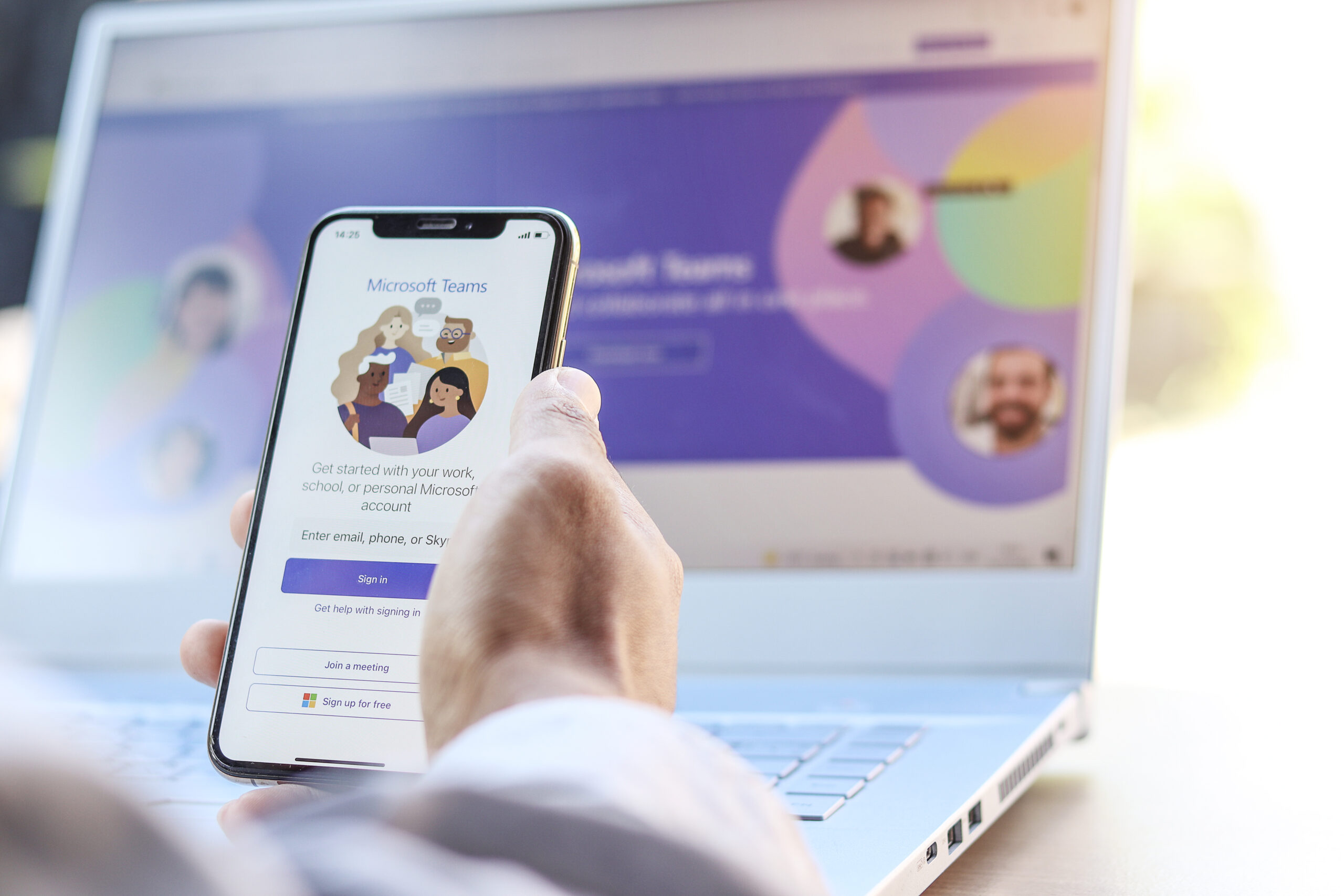
Many breaches happen because a single password is compromised. That’s why features like multi-factor authentication (2FA) are required under HIPAA and other compliance frameworks.
2FA adds a second layer of protection, usually a prompt on your phone, to make sure the person logging in is really you.
Some users don’t like it, but here’s the truth: Turning off 2FA can instantly put donor and client data at risk. If your organization were ever audited and your team wasn’t using required protections, you could fail the audit and face penalties, and not to mention a serious loss of community trust.
Step 3: Limit Access To Only What People Need
Nonprofits often have:
- Interns
- Volunteers
- Short-term staff
- High turnover
- Shared accounts
This can create wide-open access to sensitive files. A best practice is role-based access, meaning staff only have access to what they truly need. The marketing intern shouldn’t see payroll files, and the accounting team doesn’t need to open shelter case notes.
By tightening access, you protect donor data and reduce the number of “attack paths” a hacker could use.
Step 4: Train Your Staff (Because Humans Are The #1 Cause Of Breaches)
It’s uncomfortable to hear, but it’s true: 82% of all data breaches involve human error. From phishing emails to weak passwords to accidental clicks, people, not software, are the biggest vulnerability.
We see this every day. That’s why we run monthly phishing simulations for nonprofits, sending realistic fake emails to help staff build awareness. Anyone who clicks the link gets a quick 5-minute training to learn what red flags to look for. It’s a cost-effective way to dramatically improve your security posture.
Training your staff may be the single most important step you can take to protect donor data.
Step 5: Add Tools That Detect And Respond To Threats Quickly
Modern cybersecurity isn’t just about locking things down; it’s also about catching issues early.
At Onset Solutions, we use a framework similar to the NIST cybersecurity model:
- Identify: Know where your data is and how it’s used.
- Protect: Use MFA, secure cloud tools, role-based access, encryption, and backups.
- Detect: Use monitoring tools (like SIEM or endpoint detection) to spot unusual activity fast.
- Respond: Have a plan for immediate action when something suspicious happens:
- Lock accounts
- Reset passwords
- Investigate unauthorized access
- Restore safe versions of files
Detection and response used to be “nice-to-have” tools. Today, they’re essential.
“No News Is Good News” When It Comes To Donor Trust
You don’t notice security when everything is safe. You notice it when there’s a breach. And that’s true for donors, too. They assume their data is safe, right up until something goes wrong.
Several nonprofits working with us used to experience frequent breaches before improving their systems. After modernizing their IT, the breaches stopped. Leadership didn’t realize how smooth things had become until the team pointed it out.
When you protect donor data, you’re not just preventing problems, you’re preserving hard-won trust.
How Managed IT Services Help Nonprofits Protect Donor Data On A Budget
Hiring an internal IT team is expensive, and most nonprofits don’t have that option. But you can get expert guidance without overspending.
Onset Solutions works with nonprofits across Colorado, including organizations that store highly sensitive data like case notes, client interviews, and health information. Many of these groups also share data across courts, caseworkers, and partner agencies, making secure systems even more critical.
Here’s what makes Onset Solutions different:
- We meet you where you are. We will never push unnecessary services.
- We focus on cost-effective solutions. You get the most impact for your budget.
- We recommend only what you truly need. Our internal team will push back when something isn’t essential.
- We understand nonprofit realities. Your priority is your mission, and we help protect that mission by protecting your data.
Most importantly, we help you make security decisions based on real risk, not fear.
Now Is The Time To Protect Donor Data
Cyber threats will keep growing. Legacy systems will keep aging. And donor expectations will keep rising. You don’t have to face these challenges alone, and protecting donor data doesn’t have to be overwhelming or expensive.
Onset Solutions is here to help Denver-area nonprofits modernize, secure their tools, train their staff, and build a stronger foundation of trust.
Ready To Protect Your Donor Data?
If your nonprofit is ready to modernize, reduce risk, and protect donor data with confidence, Onset Solutions is here to support you. Contact Onset Solutions today to discuss your tech needs and start protecting your donor data.